
The Story of Steve Jobs and Apple: From Beginnings to Legend
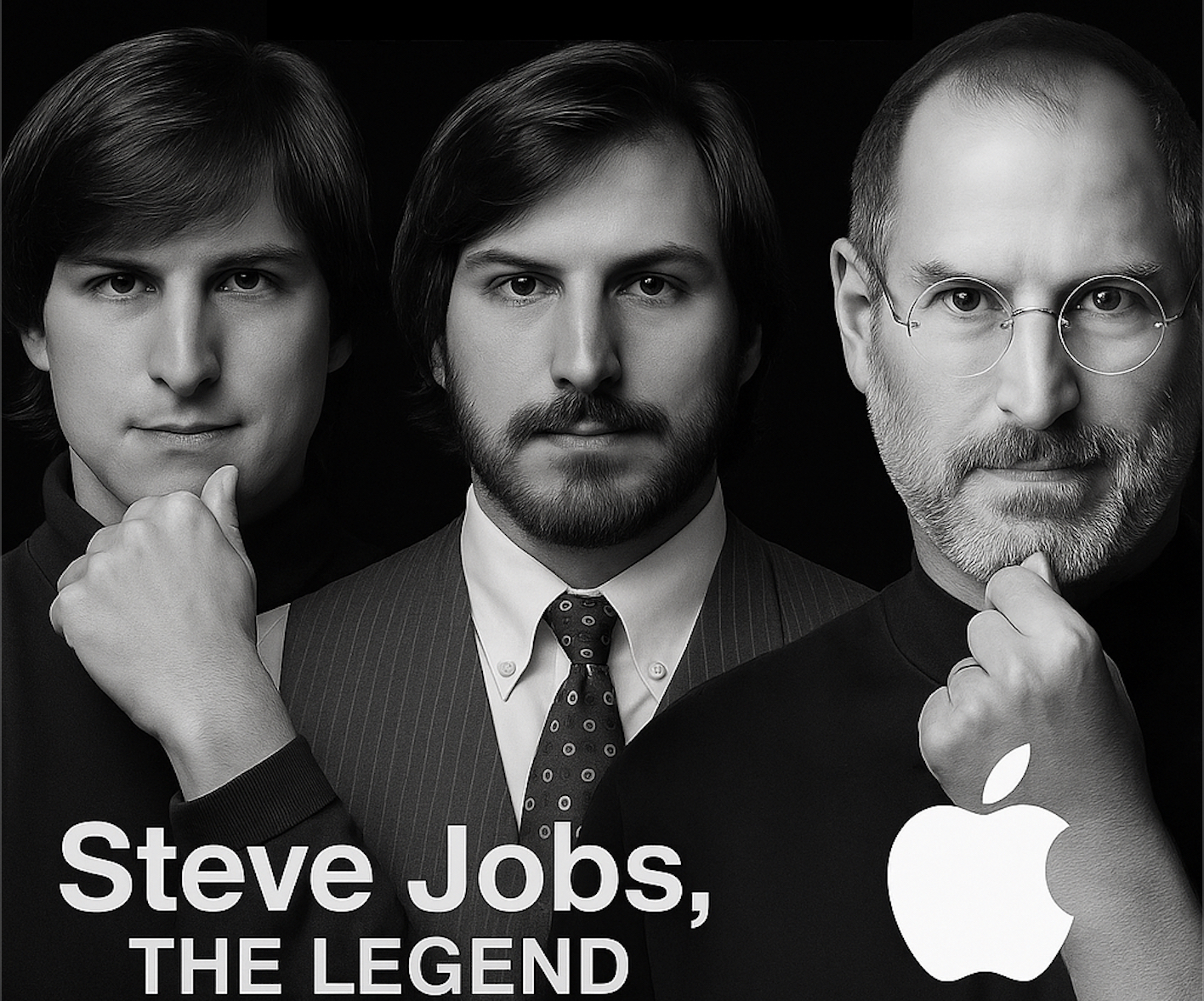
In the world of business, it is rare to encounter a personality with the capability to innovate and influence like Steve Jobs. He wasn’t just a successful businessman; he was an inspiring and creative force who contributed to shaping the contours of contemporary technology.
Early Beginnings: Born in 1955 in San Francisco, Steve Jobs was adopted by Paul and Clara Jobs. From a young age, he exhibited a fascination with technology, frequently attending his school’s electronics club. After high school, Jobs attended Reed College but dropped out after only one semester, a decision driven by his desire to pursue his passion.
Jobs's early life was marked by a relentless curiosity and a drive to explore the depths of what technology could offer. This was an era where personal computing was virtually non-existent, yet Jobs, with his visionary mindset, foresaw a future where computers would play an integral role in everyday life. At Reed College, although he was a dropout, he stayed around the campus auditing classes that interested him like calligraphy, which would later influence the typography of Apple products.
Founding Apple: In 1976, Jobs teamed up with his friend Steve Wozniak to establish Apple in the garage of the Jobs family home. They began crafting personal computers, with their first product being the Apple I. The success came rapidly after the launch of the Apple II, one of the earliest personal computers to gain widespread popularity.
The establishment of Apple was a pivotal moment in the tech industry. Jobs and Wozniak’s creation of the Apple I demonstrated their innovative approach to making technology accessible to the masses. The Apple II, with its user-friendly design and practical applications, revolutionized the market and set new standards for personal computing.
Challenges and Comeback: In the mid-1980s, Jobs faced internal challenges at the company, leading to his painful exit in 1985. However, this was not the end of his journey. He went on to found NeXT, a company that, despite not achieving significant commercial success, made important technological contributions. Simultaneously, Jobs invested in Pixar, which became a leader in the animated film industry.
The challenges Jobs faced at Apple taught him invaluable lessons in leadership and innovation. NeXT created tools that were ahead of their time, which later became essential to Apple’s operating system. At Pixar, Jobs demonstrated his ability to transform industries, as the company produced groundbreaking films like "Toy Story," which ushered in a new era of animation.
Return to Apple: In 1997, Jobs returned to Apple following the company’s acquisition of NeXT. This return marked a new birth for Apple, as Jobs supervised the launch of innovative products like the iMac, iPod, and iPhone. These products were not just devices; they sparked a revolution in how technology is used.
His return to Apple not only saved the company from financial ruin but also propelled it to new heights. The iMac reintroduced Apple’s flair for design and aesthetics, the iPod transformed how we listen to music, and the iPhone redefined communication, making smartphones an essential part of modern life.
Impact and Legacy: Steve Jobs passed away in 2011 after a battle with illness, leaving behind an unforgettable legacy. His influence transcended the boundaries of technology, affecting our way of thinking and living. The current CEO of Apple, Tim Cook, said of Jobs: "Steve was a visionary genius, and he left the world much better than he found it."
Jobs’s life and work have become the blueprint for aspiring entrepreneurs and tech enthusiasts worldwide. His approach to life, characterized by a passion for innovation, a dedication to quality, and an unwavering belief in his vision, continues to inspire generations.
Sources:
1. "Steve Jobs" by Walter Isaacson
2. "Becoming Steve Jobs" by Brent Schlender and Rick Tetzeli
3. Article in Forbes Magazine: [link](https://www.forbes.com)
4. Interview with Tim Cook in The New York Times: [link](https://www.nytimes.com)
comments.title (3)
سفيان القاضي
•12 days agoاعتقد ان العالم خسر مثل هذا الشخص و افكاره ، نتمنى ان يأتي شخص افضل من تيم كوك يرجع امجاد ستيف جوبز و افكاره بعد تقاعد هذا الاخير
December 1, 2025 at 11:01 PM
خالد عمر
•12 days agoستيف جوبز ذو اصول سوريه فأبوه سوري من حمص هذا الكلام موثق في الكثير من المصادر
December 1, 2025 at 10:46 PM
سراج الزنداح
•14 days agoكلمة تيم كوك فعلاً في مكانها ، ستيف ترك العالم أفضل بكثير مما وجده."
November 30, 2025 at 03:43 AM
علي عبد الله
•14 days agoنعم هذا الرجل عمل الكثير لتقدم عالمنا
November 30, 2025 at 03:45 AM